
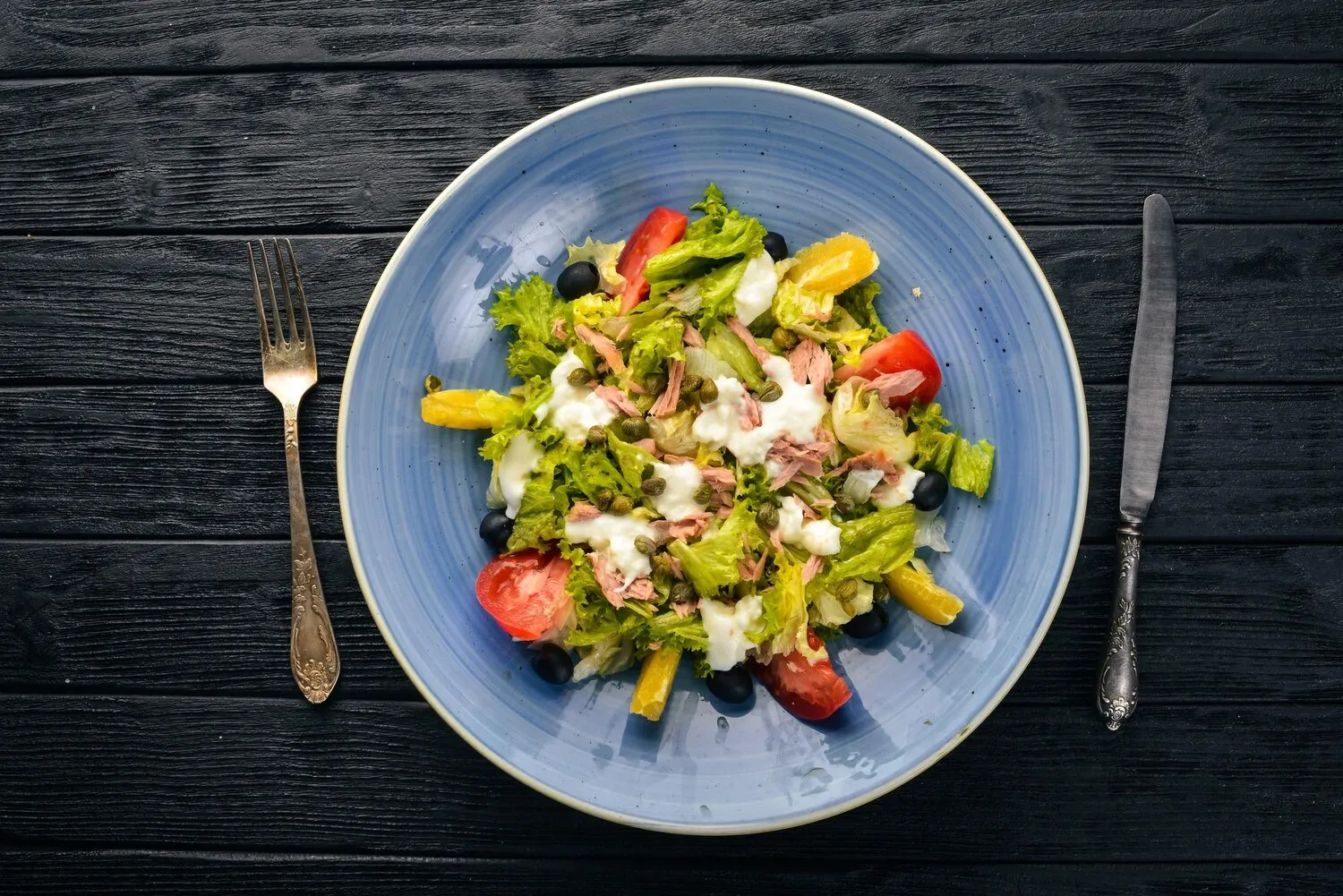

Salads
Fresh salads with various ingredients, are often highlighted in reviews as part of their menu offering.
Información Nutricional
* El % de Valor Diario (VD) indica cuánto aporta un nutriente en una porción de alimento a una dieta diaria. Se utilizan 2,000 calorías al día para consejos generales de nutrición.
Función Premium
Función Premium
Salads have a long and varied history, dating back to ancient civilizations. Early salads were simple combinations of leafy greens and herbs dressed with oil and vinegar. Over time, the ingredients and preparation methods diversified, reflecting the culinary traditions of different cultures. The modern salad encompasses a vast array of ingredients and preparations, from simple green salads to elaborate composed salads.
Función Premium
Salads are ubiquitous in global cuisine, representing health, freshness, and culinary creativity. Their cultural significance varies depending on the region and ingredients used.
Health and Wellness
Salads are often associated with healthy eating and are a staple in many weight-loss and wellness diets. The emphasis on fresh vegetables and lighter dressings promotes a balanced and nutritious meal.
Seasonal Cuisine
Salads frequently showcase seasonal produce, reflecting the availability of fresh ingredients and regional culinary traditions. Farmers' markets and local restaurants often feature salads with the freshest seasonal offerings.
Culinary Innovation
Salads provide a canvas for culinary innovation, allowing chefs and home cooks to experiment with different flavor combinations, textures, and presentations. The versatility of salads encourages creativity and personalized interpretations.
Función Premium
The flavor profile of a salad is highly variable, depending on the ingredients used. Generally, salads offer a balance of fresh, bright, and sometimes tangy flavors.
The base of a salad often consists of leafy greens, which provide a slightly bitter or grassy flavor. Vegetables such as tomatoes, cucumbers, and peppers contribute sweetness, crispness, and freshness. Dressings, typically made with oil, vinegar, lemon juice, or dairy products, add acidity, richness, and complexity. Herbs like parsley, mint, and basil can enhance the overall flavor with their aromatic qualities. Additions like cheese, nuts, seeds, and meats contribute savory, nutty, or salty notes.
Función Premium
Ingredient Freshness
Use the freshest ingredients available for the best flavor and texture. Wilted or bruised vegetables will detract from the overall quality of the salad.
Dressing Application
Dress the salad just before serving to prevent the greens from wilting. Start with a small amount of dressing and add more to taste. Consider dressing heartier greens like kale or romaine a little in advance to allow them to soften slightly.
Balancing Flavors
Pay attention to the balance of flavors and textures in your salad. Combine sweet, savory, crunchy, and soft elements for a more satisfying and interesting dish.
Proper Washing and Drying
Thoroughly wash and dry leafy greens to remove dirt and excess moisture. Excess water can dilute the dressing and make the salad soggy.
Función Premium
Explora platos y restaurantes adicionales de Salad
Explorar SaladDescubre los mejores lugares para comer y experiencias culinarias en Winterthur.
Explorar WinterthurAprende más sobre la cultura gastronómica, la escena de restaurantes y el patrimonio culinario de Switzerland.
Explorar Switzerland