

Pastries
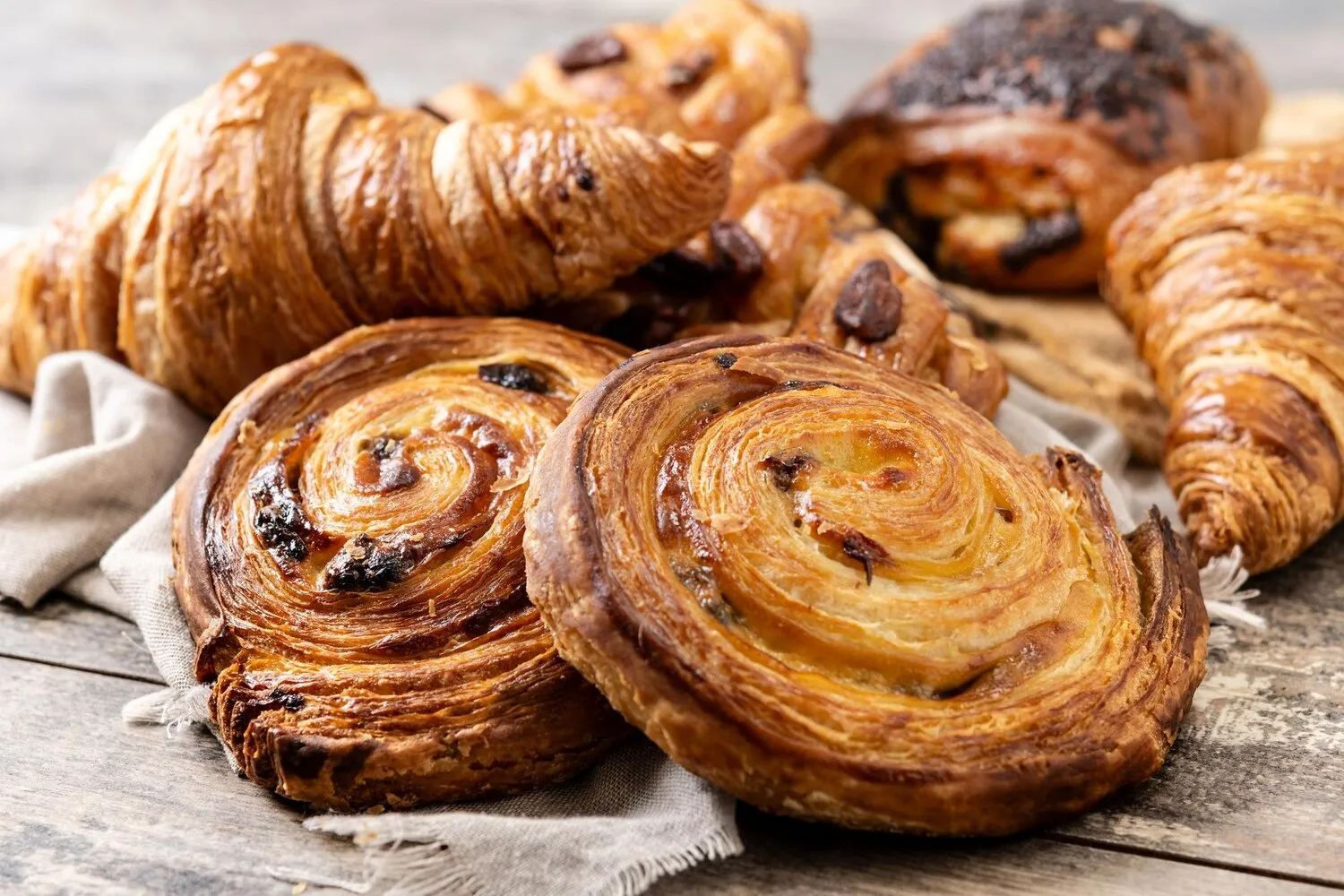
A selection of Italian pastries, including croissants, cakes, and other sweets.
Información Nutricional
* El % de Valor Diario (VD) indica cuánto aporta un nutriente en una porción de alimento a una dieta diaria. Se utilizan 2,000 calorías al día para consejos generales de nutrición.
Función Premium
Ristorante Vanini Dolce & Caffé
Función Premium
Italian pastries have a rich history, evolving from ancient Roman traditions of using honey and fruits in baked goods. The Renaissance saw the refinement of these techniques with the introduction of new ingredients like sugar and spices from the East. French influence, particularly during the Napoleonic era, also shaped the pastry landscape, contributing to the popularity of croissants and other viennoiseries.
Función Premium
Pastries hold a significant place in Italian culture, enjoyed as part of breakfast, afternoon snacks, or celebratory desserts. They often accompany coffee and are a central part of social gatherings and family meals.
Colazione (Breakfast)
Pastries like croissants (cornetti) and biscotti are a common breakfast option, often enjoyed with a cappuccino or espresso.
Pasticceria Culture
Pasticcerie (pastry shops) are ubiquitous in Italy, serving as social hubs where people gather to enjoy coffee and sweets. They are often family-run businesses with generations of pastry-making expertise.
Celebrations and Festivities
Elaborate cakes and pastries are a staple of Italian celebrations, including birthdays, weddings, and religious holidays. Each region often has its own specialty pastries associated with specific holidays.
Función Premium
Italian pastries offer a diverse range of flavors, from the buttery richness of croissants to the bright citrus notes of cakes and the creamy sweetness of filled pastries. Common flavor profiles include almond, vanilla, chocolate, coffee, and various fruits.
Typical flavors found in Italian pastries come from a variety of ingredients. Almonds are frequently used in pastries like almond biscotti and almond paste fillings. Vanilla is a classic flavor that provides a fragrant base in many cakes and creams. Chocolate, in various forms (dark, milk, white), is extremely popular in tortes, pastries, and fillings. Coffee, often in the form of espresso, is found in tiramisu and other coffee-flavored desserts. Citrus fruits like lemon and orange provide a refreshing tang in cakes and creams, balancing the sweetness. Creamy fillings often feature mascarpone cheese, ricotta cheese, or pastry cream, contributing to the smooth and luscious textures.
Función Premium
Freshness is Key
Italian pastries are best enjoyed fresh. Look for pastries that appear recently baked and avoid those that seem dry or stale.
Regional Specialties
Explore regional pastry variations. Each region in Italy boasts its own unique specialties, reflecting local ingredients and culinary traditions.
Storage Tips
Store pastries in an airtight container at room temperature to maintain freshness. Cream-filled pastries should be refrigerated. Consume pastries within a day or two for the best flavor and texture.
Función Premium
Explora platos y restaurantes adicionales de Dessert
Explorar DessertDescubre los mejores lugares para comer y experiencias culinarias en Lugano.
Explorar LuganoAprende más sobre la cultura gastronómica, la escena de restaurantes y el patrimonio culinario de Switzerland.
Explorar Switzerland