
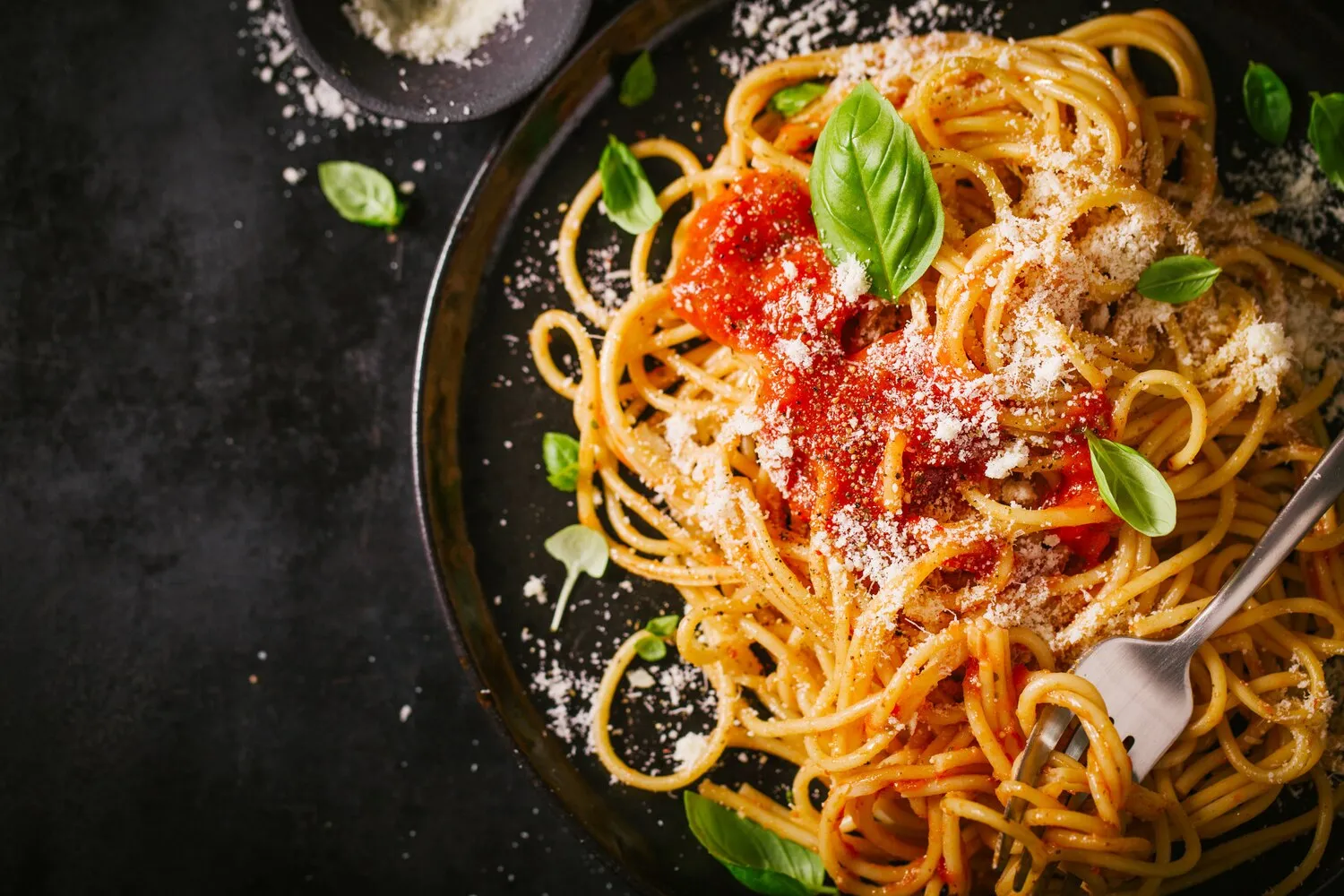

Pasta
Pasta dishes, which may include a variety of sauces (like white sauce or arrabiata) and toppings.
Información Nutricional
* El % de Valor Diario (VD) indica cuánto aporta un nutriente en una porción de alimento a una dieta diaria. Se utilizan 2,000 calorías al día para consejos generales de nutrición.
Función Premium
Café Offbeat Up There - Rooftop Cafe
Función Premium
Pasta's history stretches back to ancient times, with evidence suggesting early forms existed in various cultures. However, modern pasta, as we know it, truly flourished in Italy, evolving from simple flour-and-water mixtures into the diverse array of shapes and styles we see today. Arab influence in Sicily during the Middle Ages played a crucial role in the development and popularization of dried pasta, allowing for easier storage and wider distribution. The Renaissance saw the rise of pasta-making guilds and the creation of more elaborate sauces.
Función Premium
Pasta is deeply ingrained in Italian culture and is more than just a food; it's a symbol of family, tradition, and regional identity.
Family Meals
Pasta dishes are often at the center of family gatherings and celebrations in Italy. Sharing a large plate of pasta is a communal experience that strengthens bonds and fosters connection.
Regional Variations
Each region in Italy boasts its own unique pasta shapes, sauces, and cooking methods. From the rich, creamy sauces of the North to the seafood-infused dishes of the South, pasta reflects the diverse culinary heritage of the country.
Pasta as a First Course
In a traditional Italian meal, pasta is typically served as the 'primo' or first course, followed by a meat or fish dish ('secondo') and a side dish ('contorno').
Función Premium
The flavors of pasta dishes are incredibly diverse, ranging from simple and fresh to rich and savory. The key to a great pasta dish is the balance between the pasta itself and the accompanying sauce and ingredients.
Pasta itself has a subtle, slightly wheaty flavor. The primary flavors come from the sauce and additions. Tomato-based sauces offer sweetness and acidity, while cream-based sauces provide richness and smoothness. Pesto is herbaceous and bright, while olive oil and garlic create a simple yet flavorful base. Cheeses like Parmesan, Pecorino Romano, and ricotta contribute saltiness, sharpness, and creaminess. Meats like pancetta, sausage, and ground beef add savory depth. Vegetables such as mushrooms, zucchini, and eggplant offer earthy and fresh notes. Herbs like basil, oregano, and parsley provide aromatic complexity. The possibilities are endless, allowing for a wide spectrum of flavor profiles.
Función Premium
Salt the Water Generously
Adding salt to the boiling water is crucial for seasoning the pasta from the inside out. Use about 1-2 tablespoons of salt per gallon of water.
Cook Al Dente
Cook the pasta until it is 'al dente,' meaning 'to the tooth.' It should be firm but not hard in the center.
Reserve Pasta Water
Before draining the pasta, reserve about a cup of the starchy cooking water. This water can be added to the sauce to help it emulsify and cling to the pasta better.
Combine Pasta and Sauce Immediately
Add the cooked pasta directly to the sauce and toss to coat. This allows the pasta to absorb the flavors of the sauce while it's still warm.
Función Premium
Explora platos y restaurantes adicionales de Italian
Explorar ItalianDescubre los mejores lugares para comer y experiencias culinarias en Kolkata.
Explorar KolkataAprende más sobre la cultura gastronómica, la escena de restaurantes y el patrimonio culinario de India.
Explorar India