
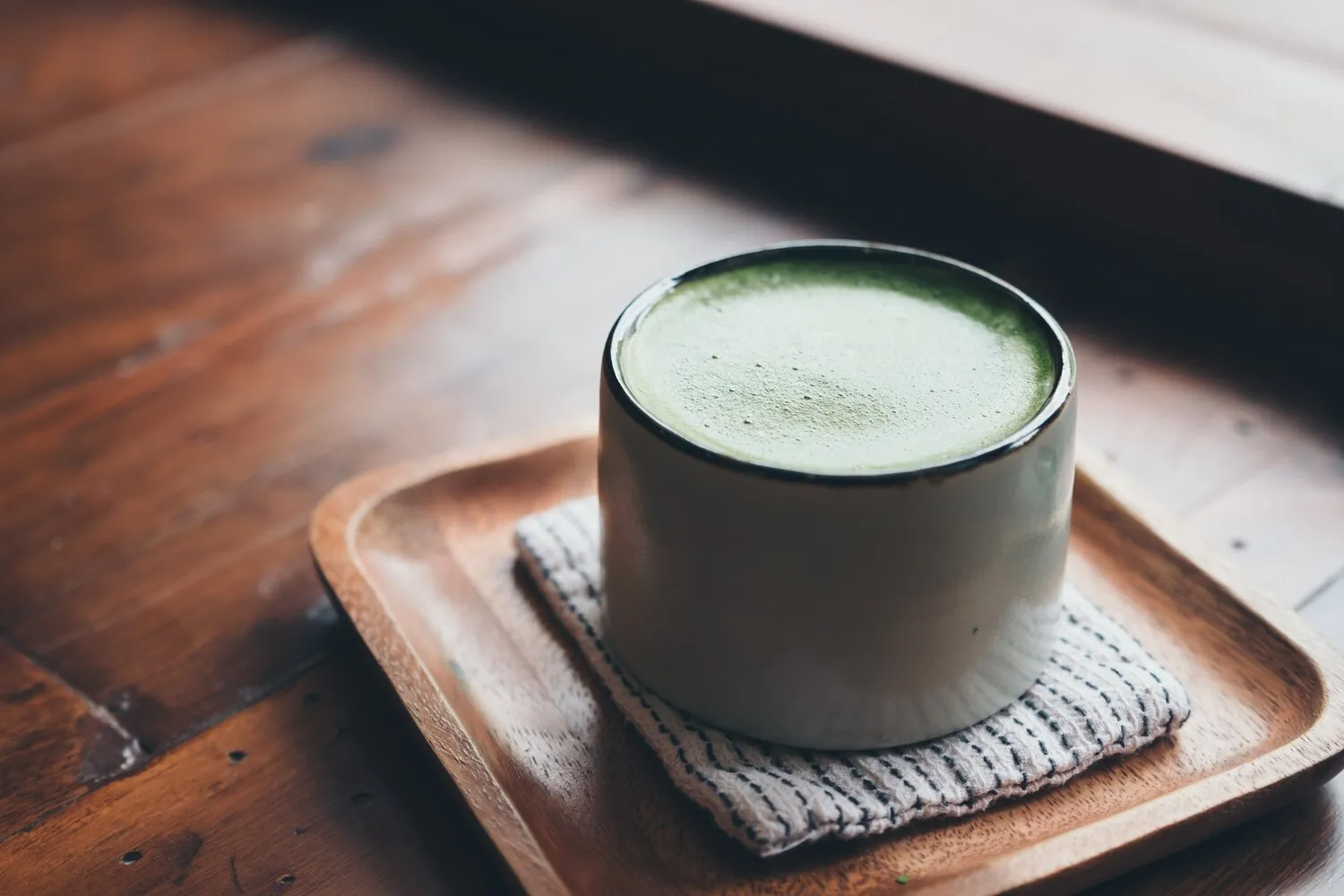

Matcha Latte
A latte made with matcha green tea powder.
Información Nutricional
* El % de Valor Diario (VD) indica cuánto aporta un nutriente en una porción de alimento a una dieta diaria. Se utilizan 2,000 calorías al día para consejos generales de nutrición.
Función Premium
Función Premium
Matcha, finely ground green tea powder, originates from China but was adopted and refined in Japan. Zen Buddhist monks used it to enhance focus during meditation. The matcha latte is a more recent adaptation, blending traditional matcha with modern coffeehouse culture.
Función Premium
While matcha itself is deeply rooted in Japanese tea culture, the matcha latte represents a modern fusion, appealing to a wider audience globally. It's a convenient and accessible way to enjoy the benefits and taste of matcha in a familiar cafe-style beverage.
Global Popularity
The matcha latte has gained immense popularity worldwide, becoming a staple in coffee shops and cafes across the globe.
Health and Wellness
Matcha is often associated with health and wellness due to its antioxidant properties and caffeine content, making the latte a perceived healthier alternative to some coffee beverages.
Adaptability
The matcha latte is highly adaptable, allowing for various milk alternatives and sweeteners to suit different dietary needs and preferences.
Función Premium
The matcha latte offers a unique blend of earthy, vegetal, slightly bitter matcha balanced by the creamy sweetness of milk and sweetener (if added).
The dominant flavor is the vegetal, slightly grassy, and subtly bitter taste of matcha. High-quality matcha contributes a smoother, less astringent flavor. The milk (dairy or non-dairy) provides creaminess and sweetness, softening the matcha's intensity. Sweeteners like sugar, honey, maple syrup, or agave nectar add further sweetness to balance the bitterness.
Función Premium
Sifting the Matcha
Sifting the matcha powder before whisking helps to remove clumps and create a smoother, more even distribution in the liquid.
Water Temperature
Using water that is hot but not boiling (around 175°F or 80°C) prevents the matcha from becoming bitter.
Whisking Technique
Whisking the matcha and a small amount of hot water vigorously in a zig-zag motion (using a traditional bamboo whisk or a milk frother) creates a smooth, frothy paste without lumps.
Milk Frothing
Frothing the milk before adding it to the matcha provides a lighter, more luxurious texture to the latte.
Función Premium
Explora platos y restaurantes adicionales de Latte
Explorar LatteDescubre los mejores lugares para comer y experiencias culinarias en Berlin.
Explorar BerlinAprende más sobre la cultura gastronómica, la escena de restaurantes y el patrimonio culinario de Germany.
Explorar Germany