
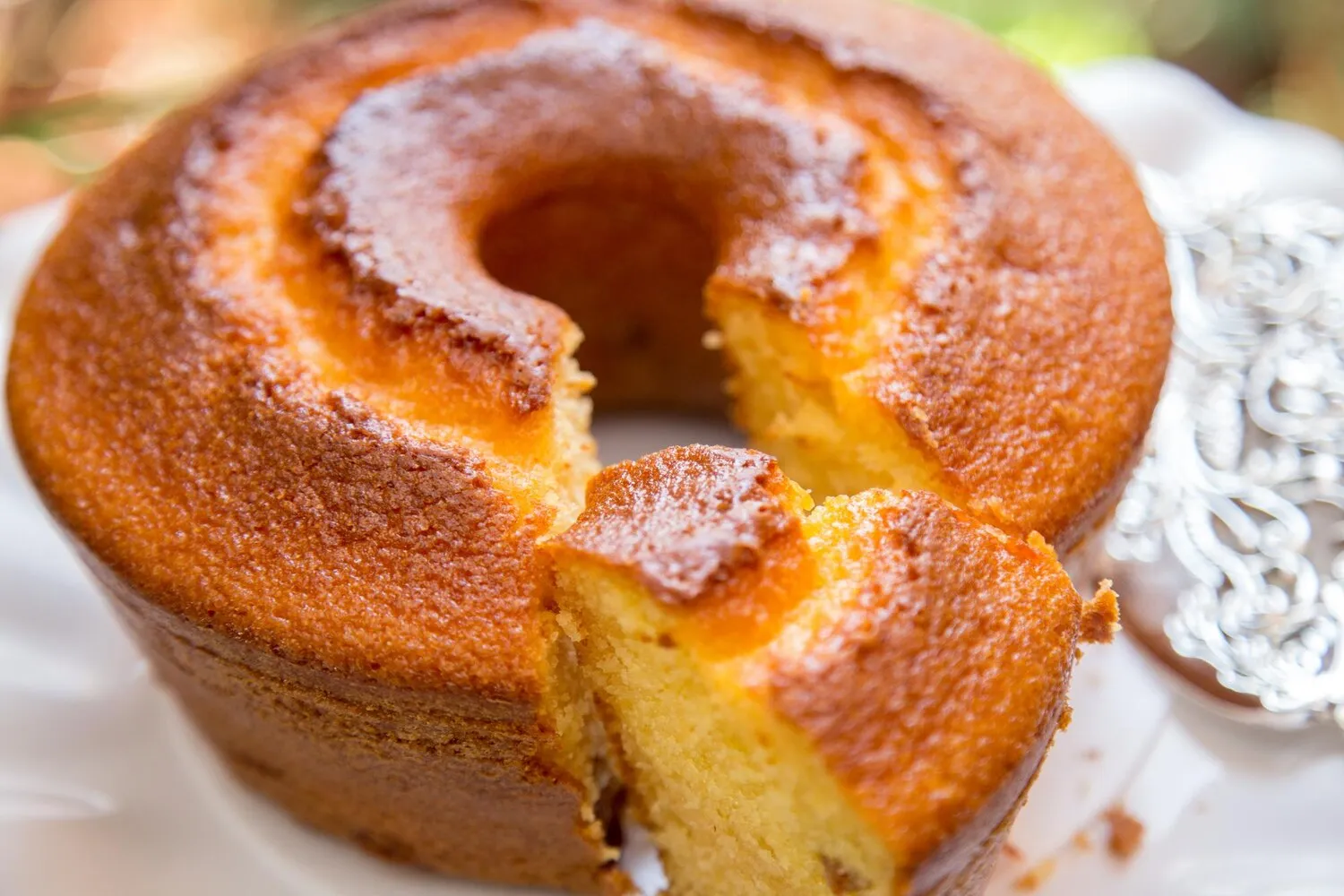

Bolos
Cakes, likely including Bolo de Cenoura (carrot cake), Bolo de Chocolate (chocolate cake) and other Brazilian cake flavors.
Información Nutricional
* El % de Valor Diario (VD) indica cuánto aporta un nutriente en una porción de alimento a una dieta diaria. Se utilizan 2,000 calorías al día para consejos generales de nutrición.
Función Premium
Función Premium
Brazilian cake-making has been influenced by Portuguese colonization, indigenous ingredients, and African culinary traditions. Wheat flour, sugar (from sugarcane), and eggs, brought by the Portuguese, form the base for many bolos. Indigenous ingredients like corn and cassava have also been incorporated. African influence is seen in the use of spices and creamy textures.
Función Premium
Bolos hold a significant place in Brazilian culture, being present at nearly every social gathering, from birthday parties and family celebrations to casual afternoon teas. They symbolize warmth, hospitality, and sharing.
Celebrations
Cakes are a staple at birthday parties and other celebrations, with elaborate designs often reflecting the occasion.
Afternoon Snack (Café da Tarde)
A slice of bolo is a common accompaniment to coffee during the afternoon, offering a moment of relaxation and social connection.
Regional Variations
Different regions of Brazil have their own unique bolo recipes and variations, reflecting local ingredients and culinary traditions.
Symbol of Hospitality
Offering a guest a slice of bolo is a gesture of welcome and generosity.
Función Premium
Brazilian cakes boast a wide array of flavors, ranging from the familiar sweetness of chocolate and carrot to the tropical notes of coconut and passion fruit. Expect a generally sweet profile, often balanced with acidity or spices.
Common flavors include: Bolo de Cenoura (carrot cake, often topped with chocolate ganache), Bolo de Chocolate (chocolate cake, varying from simple to rich and decadent), Bolo de Fubá (cornmeal cake, offering a rustic and slightly sweet flavor), Bolo de Coco (coconut cake, known for its moist and often dense texture), Bolo de Maracujá (passion fruit cake, providing a tangy and refreshing flavor), Bolo de Brigadeiro (chocolate fudge cake, a very sweet and indulgent option), Bolo de Aipim/Mandioca (cassava cake, offering a slightly nutty and subtly sweet flavor), and Bolo de Laranja (orange cake, light and citrusy).
Función Premium
Mixing Techniques
Creaming butter and sugar well is crucial for a light and airy texture. Avoid overmixing once the flour is added, as this can lead to a tough cake.
Ingredient Quality
Using high-quality ingredients, especially eggs and butter, will significantly enhance the flavor and texture of the cake.
Baking Time and Temperature
Keep a close watch on the baking time and temperature, as ovens can vary. A toothpick inserted into the center should come out clean or with a few moist crumbs.
Adding Moisture
Many Brazilian cakes benefit from added moisture, such as fruit purees, yogurt, or buttermilk, to create a tender crumb.
Using the right pan
Many Brazilian recipes will call for a bundt pan or round cake pan. The shape and size can effect baking time.
Función Premium
Explora platos y restaurantes adicionales de Cakes
Explorar CakesDescubre los mejores lugares para comer y experiencias culinarias en Vitória da Conquista.
Explorar Vitória da ConquistaAprende más sobre la cultura gastronómica, la escena de restaurantes y el patrimonio culinario de Brazil.
Explorar Brazil