
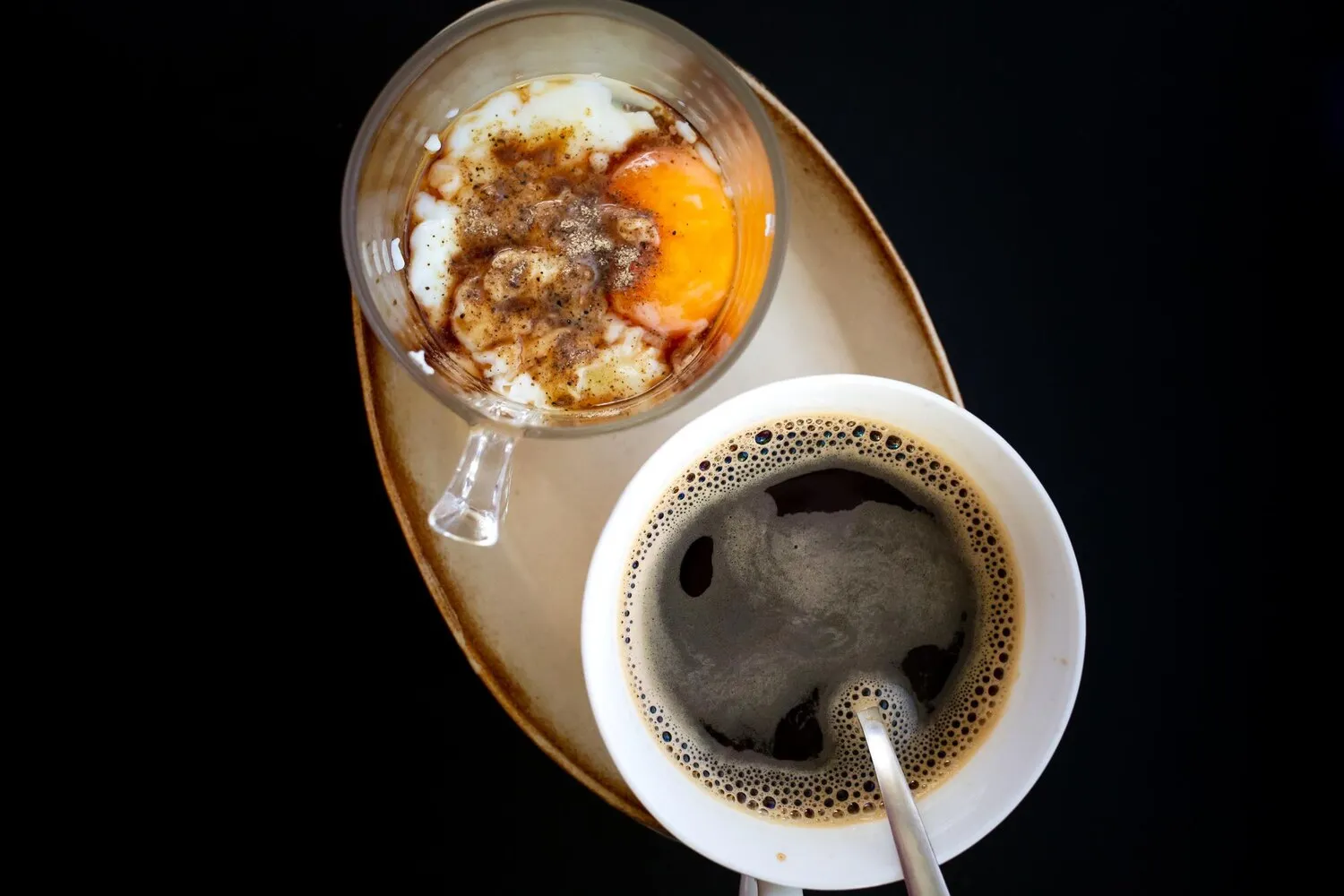

Espresso
A concentrated coffee beverage brewed by forcing hot water through finely-ground coffee beans.
Información Nutricional
* El % de Valor Diario (VD) indica cuánto aporta un nutriente en una porción de alimento a una dieta diaria. Se utilizan 2,000 calorías al día para consejos generales de nutrición.
Función Premium
Función Premium
Espresso's origins are rooted in late 19th-century Turin, Italy, driven by the desire to shorten coffee brewing times. Angelo Moriondo is credited with patenting an early espresso machine, but Luigi Bezzera's improvements in the early 20th century, along with Desiderio Pavoni's involvement, truly popularized the concept. These innovations laid the foundation for the modern espresso machine and its role in coffee culture.
Función Premium
Espresso is a cornerstone of Italian coffee culture and has become a global phenomenon, influencing coffee shops, brewing methods, and social rituals worldwide.
Italian Social Hub
In Italy, espresso is often enjoyed quickly at the bar, standing, as a social ritual. Coffee bars serve as community gathering places.
Morning Ritual
Espresso, often in the form of a cappuccino or caffè latte, is a common breakfast beverage in many cultures.
Foundation for other drinks
Espresso serves as the base for a wide range of coffee beverages, including lattes, cappuccinos, macchiatos, and americanos, contributing to the diversity of coffee offerings globally.
Coffee Art
The art of latte art, creating patterns on the surface of espresso-based drinks, has elevated the beverage's presentation and become a symbol of skilled baristas.
Función Premium
Espresso offers a concentrated, intense flavor profile characterized by richness, bitterness, and a subtle sweetness, with variations depending on the coffee bean origin and roast level.
Espresso's flavor profile is complex and multifaceted. The primary flavor is a strong, concentrated coffee taste, often described as bold and slightly bitter. Depending on the beans used, espresso can exhibit notes of chocolate, caramel, nuts, fruits (like berries or citrus), or even floral undertones. The roast level also significantly impacts the flavor, with darker roasts contributing to a more intense, smoky, or even burnt character, while lighter roasts retain more of the bean's inherent acidity and brightness. A well-extracted espresso should have a balance of acidity, sweetness, and bitterness.
Función Premium
Grind Size Matters
The grind size is crucial for proper extraction. It should be very fine, almost powdery, to allow for optimal water flow and flavor extraction. Adjust the grind size based on the specific espresso machine and coffee beans used.
Tamp Evenly
Tamping the coffee grounds evenly and with the correct pressure is essential to create a consistent puck. Uneven tamping can lead to channeling and uneven extraction.
Water Temperature
Maintain a consistent water temperature of around 195-205°F (90-96°C) for optimal extraction. Lower temperatures can lead to under-extraction, while higher temperatures can result in bitterness.
Extraction Time
Aim for an extraction time of around 25-30 seconds for a double shot of espresso (approximately 60ml). Adjust the grind size to fine-tune the extraction time.
Freshness is Key
Use freshly roasted coffee beans and grind them immediately before brewing to maximize flavor and aroma.
Función Premium
Explora platos y restaurantes adicionales de Coffee
Explorar CoffeeDescubre los mejores lugares para comer y experiencias culinarias en Rio Claro.
Explorar Rio ClaroAprende más sobre la cultura gastronómica, la escena de restaurantes y el patrimonio culinario de Brazil.
Explorar Brazil