
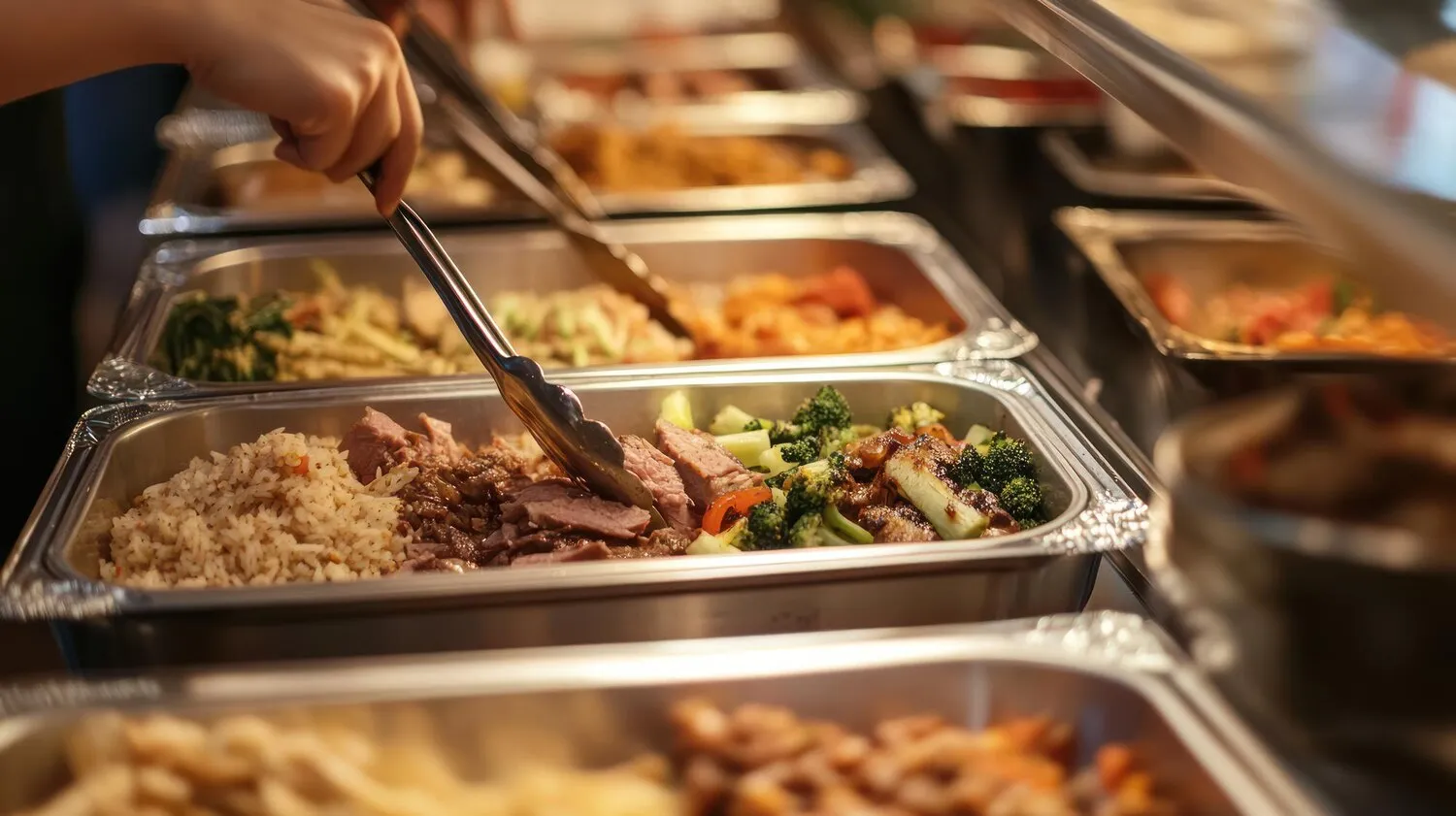

Self-Service Buffet
A variety of typical brazilian dishes.
Información Nutricional
* El % de Valor Diario (VD) indica cuánto aporta un nutriente en una porción de alimento a una dieta diaria. Se utilizan 2,000 calorías al día para consejos generales de nutrición.
Función Premium
Sabor D'Casa Restaurante
Función Premium
Brazilian cuisine is a melting pot of indigenous, African, and European (primarily Portuguese) influences. Indigenous ingredients like cassava, corn, and various fruits were staples before colonization. African slaves introduced ingredients like okra, black-eyed peas, and coconut milk, along with techniques like stewing. Portuguese colonizers brought ingredients like rice, wheat, dairy, and various meats. Subsequent waves of immigration from Italy, Germany, and Japan further enriched the culinary landscape, contributing diverse techniques and flavors that are often showcased in self-service buffets.
Función Premium
The self-service buffet, or 'buffet livre', is an integral part of Brazilian dining culture, especially for lunch. It reflects the country's hospitality, abundance of food, and communal dining style.
Abundance and Generosity
Brazilian culture values hospitality and generosity. A buffet provides a visual representation of this abundance, offering a wide variety of options to satisfy every palate and dietary need.
Social Gathering
Buffets are often enjoyed with family, friends, or colleagues, creating a social and convivial atmosphere. The variety allows everyone to find something they enjoy, fostering a sense of shared experience.
Regional Diversity
A Brazilian buffet is a showcase of the country's diverse regional cuisines. Dishes from the Amazon, Northeast, Southeast, and Southern regions are often represented, allowing diners to sample a range of flavors.
Practicality and Affordability
Buffets offer a practical and often more affordable option for a large meal, especially during lunchtime. The 'kilo' system, where you pay for the weight of your plate, is also a common and budget-friendly choice.
Función Premium
The flavors are a vibrant mix of savory, salty, sweet, and spicy, often within the same dish. Richness and heartiness are common, as are fresh herbs and spices. Expect bold tastes and generous portions.
Typical flavors include the earthy notes of beans and rice, the smoky taste of grilled meats (churrasco), the tangy sweetness of tropical fruits, the creamy richness of coconut milk in moqueca, the savory depth of stews like feijoada, and the spicy kick of chili peppers like malagueta. Aromatic herbs like cilantro, parsley, and mint are frequently used, along with garlic, onions, and various regional spices. There's also a prevalence of farofa (toasted cassava flour) adding a nutty and slightly crunchy texture.
Función Premium
Pace Yourself
With so many options, it's easy to overeat. Start with small portions of a few dishes and then go back for more of your favorites. Don't fill your plate to the brim on the first round!
Sample Regional Specialties
Look for dishes that are specific to certain regions of Brazil, such as Moqueca Capixaba (seafood stew) from Espirito Santo, or Acarajé (black-eyed pea fritters) from Bahia. These are often the most authentic and flavorful options.
Don't Overlook the Basics
Simple staples like rice and beans are often done exceptionally well in Brazil. They are a great base for your meal and complement other dishes perfectly.
Try the Desserts
Brazilian desserts are typically rich and sweet. Sample a Brigadeiro (chocolate fudge ball), Quindim (egg yolk custard), or Pudim (flan) for a sweet ending to your meal.
Consider the 'Kilo' System
If the buffet operates on a 'kilo' system (pay by weight), be mindful of heavier items like starches and meats. Opt for lighter dishes like salads and vegetables to keep the cost down.
Función Premium
Explora platos y restaurantes adicionales de Varied
Explorar VariedDescubre los mejores lugares para comer y experiencias culinarias en Goiânia.
Explorar GoiâniaAprende más sobre la cultura gastronómica, la escena de restaurantes y el patrimonio culinario de Brazil.
Explorar Brazil