

Sushi
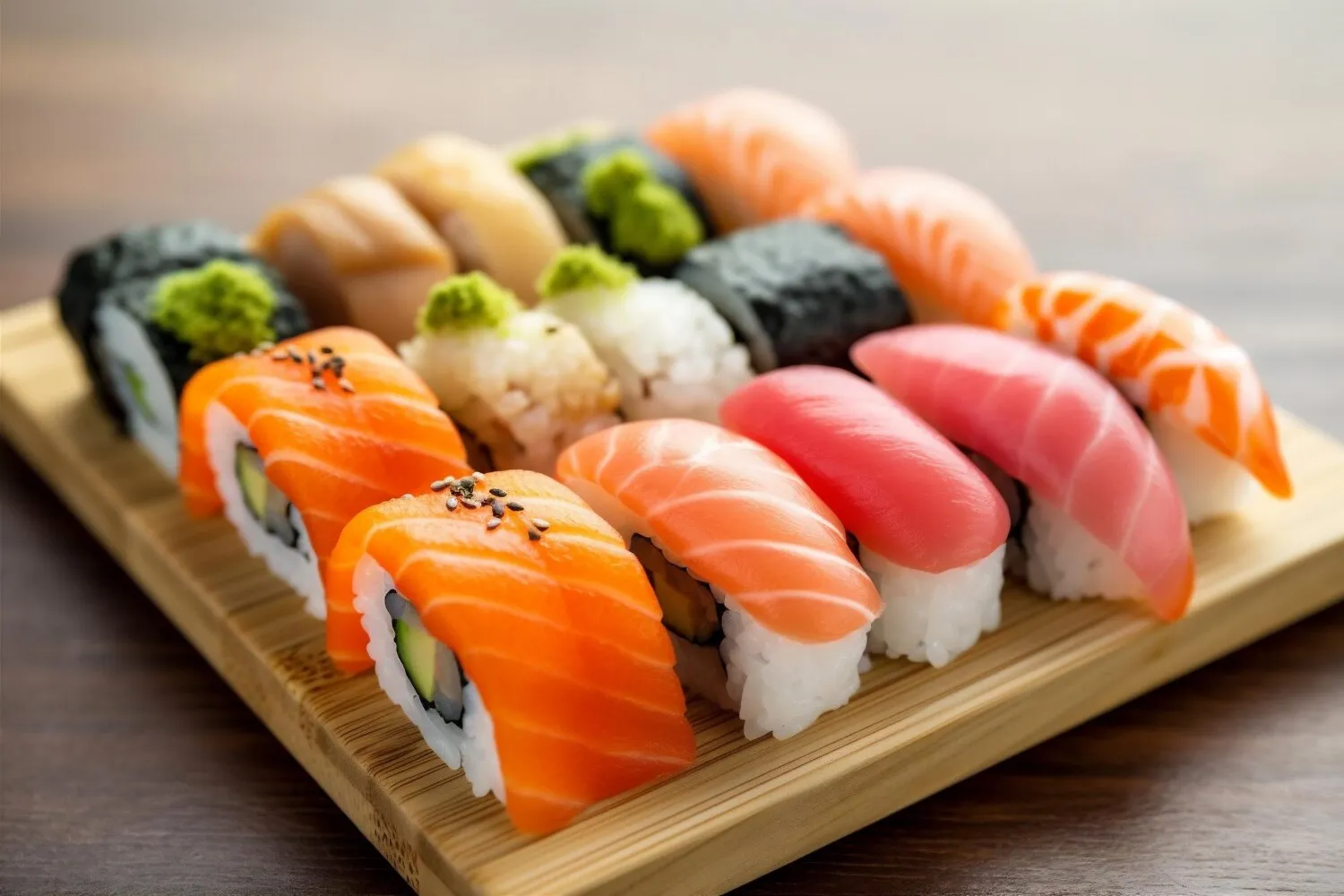
Variety of sushi rolls, including salmon, tuna, and vegetarian options.
Información Nutricional
* El % de Valor Diario (VD) indica cuánto aporta un nutriente en una porción de alimento a una dieta diaria. Se utilizan 2,000 calorías al día para consejos generales de nutrición.
Función Premium
Restaurante Nippon House
Función Premium
Sushi's origins can be traced back to Southeast Asia, where fish was preserved in fermented rice. This preservation technique spread to Japan, where it evolved into the culinary art form we know today. The original purpose was preservation, not flavor. Over time, the fermentation process shortened, and eventually, vinegared rice became an integral part of the dish, transforming preservation into a delicious meal.
Función Premium
Sushi is more than just food; it's an art form and a cultural icon in Japan. The preparation and presentation are highly valued, reflecting respect for the ingredients and the diner. It represents harmony, balance, and precision.
Sushi Etiquette
Proper sushi etiquette is important in Japan. This includes knowing how to use chopsticks, avoiding rubbing chopsticks together, and not mixing wasabi into soy sauce (instead, placing a small amount on the sushi). It's also customary to eat sushi in one bite if possible.
Sushi Chefs (Itamae)
Becoming a sushi chef requires years of rigorous training. They must master knife skills, understand the different types of fish, and learn the art of preparing sushi rice. Sushi chefs are highly respected for their expertise and dedication.
Omakase
Omakase, meaning "I leave it to you," is a popular dining style where the chef selects the sushi for the customer. It's an opportunity to experience the chef's skill and taste the freshest seasonal ingredients.
Función Premium
Sushi offers a complex interplay of flavors, from the umami-richness of the fish and soy sauce to the subtle sweetness of the rice and the spicy kick of wasabi. The clean, fresh taste of raw ingredients is paramount.
The primary flavors in sushi revolve around the freshness and quality of the ingredients. The fish, whether it's salmon (sake) with its fatty, rich flavor, tuna (maguro) with its leaner, meaty taste, or others, should be pristine and devoid of any fishy odor. The sushi rice (sushi-meshi) is seasoned with vinegar, sugar, and salt, giving it a slightly sweet and tangy flavor that complements the fish. Wasabi provides a sharp, pungent heat, while soy sauce adds saltiness and umami. Vegetarian options often include vegetables like cucumber (kappa), avocado, and pickled radish (takuan), offering fresh and tangy notes.
Función Premium
Eating Order
Start with the lighter-flavored sushi (like white fish) and progress to the richer, more strongly flavored ones (like tuna or eel). This allows you to appreciate the subtle nuances of each piece.
Soy Sauce Usage
Dip only the fish portion of the sushi into the soy sauce, not the rice. Soaking the rice in soy sauce alters the flavor balance and can make the rice fall apart.
Freshness Matters
Sushi is best enjoyed as fresh as possible. Choose reputable restaurants that prioritize quality and sourcing of their fish.
Función Premium
Explora platos y restaurantes adicionales de Sushi
Explorar SushiDescubre los mejores lugares para comer y experiencias culinarias en Castanhal.
Explorar CastanhalAprende más sobre la cultura gastronómica, la escena de restaurantes y el patrimonio culinario de Brazil.
Explorar Brazil