

Bauru
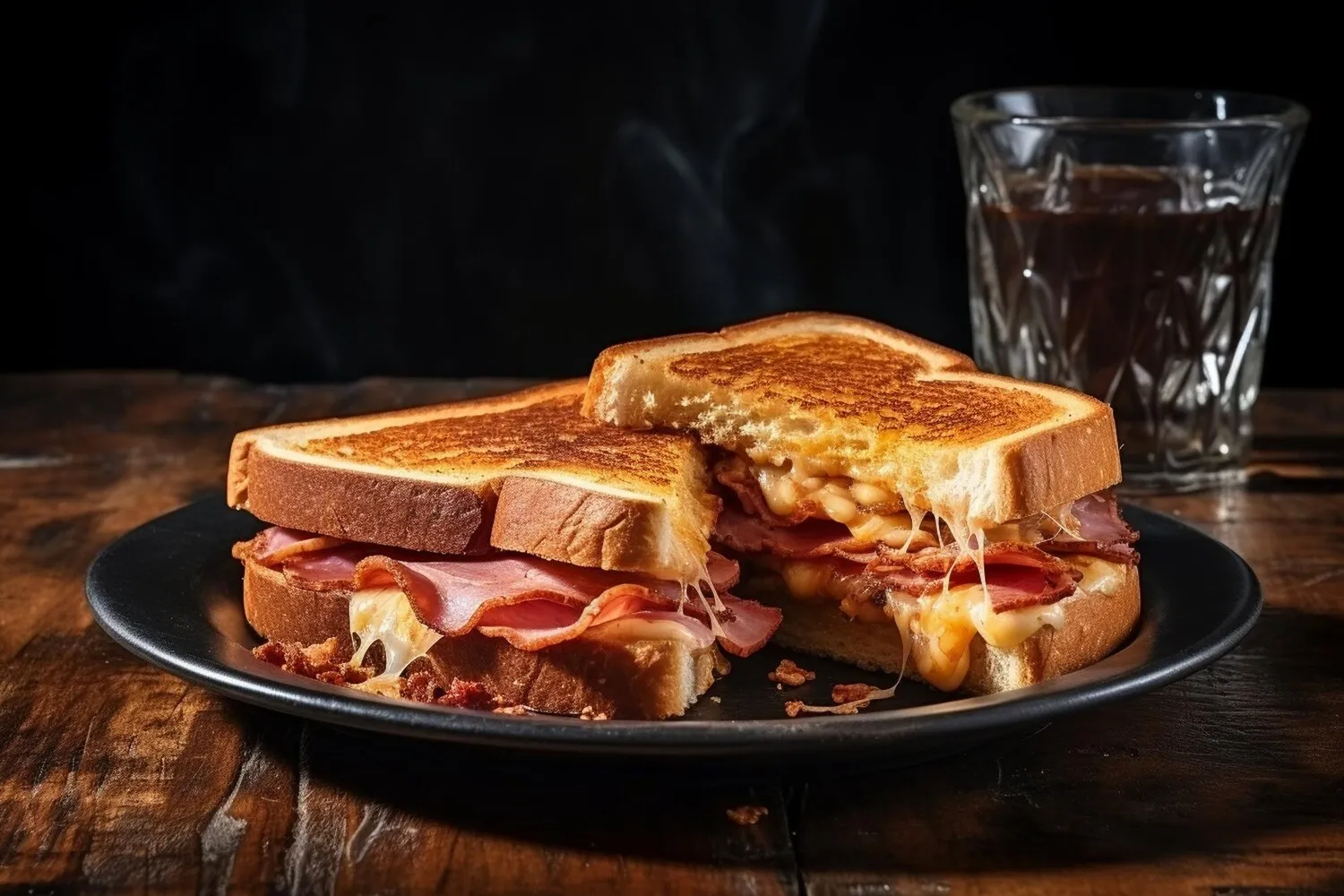
Traditional brazilian sandwich, likely with ham, cheese, tomato and other fillings.
Información Nutricional
* El % de Valor Diario (VD) indica cuánto aporta un nutriente en una porción de alimento a una dieta diaria. Se utilizan 2,000 calorías al día para consejos generales de nutrición.
Función Premium
Función Premium
The Bauru sandwich originated in 1937 at the 'Ponto Chic' restaurant in São Paulo. It was created by Casimiro Pinto Neto, a law student at Largo de São Francisco, nicknamed 'Bauru' after his hometown of Bauru, São Paulo. Frustrated with the restaurant's existing sandwiches, he asked the cook to prepare a sandwich according to his specifications, which quickly became popular among his friends and other customers.
Función Premium
The Bauru is more than just a sandwich; it's a symbol of São Paulo's culinary identity and a testament to the power of simple ingredients combined in a unique way. It's associated with the lively social scene around university life and the traditional 'lanchonetes' (sandwich shops) that are integral to Brazilian urban culture.
Lanchonetes & Social Gatherings
The Bauru is commonly enjoyed in 'lanchonetes', informal eateries that serve sandwiches, snacks, and drinks. Sharing a Bauru with friends or family is a typical part of Brazilian social life, particularly in urban areas. It's often enjoyed during lunchtime or as a late-night snack.
Regional Variations
While the original Bauru recipe is well-defined, regional variations exist throughout Brazil. These variations may include different types of cheese, meats, or pickles, reflecting local preferences and ingredients. However, the core elements of the Bauru – melted cheese, meat, tomato, and pickled cucumber – remain consistent.
Official Status
The Bauru is so iconic in São Paulo that it has been officially recognized as a protected gastronomic heritage of the city. This recognition highlights its cultural significance and ensures that the traditional recipe is preserved.
Función Premium
The Bauru offers a savory and slightly tangy flavor profile, blending the richness of melted cheese and roast beef with the freshness of tomato and the slight acidity of pickled cucumber.
The dominant flavors come from the melted cheese (typically mozzarella, but provolone and prato cheese are also common variations), the thinly sliced roast beef (or sometimes other cooked meats), juicy tomato slices, and the vinegary tang of pickled cucumber. The removal of the bread's crumb allows the other flavors to meld together without being overwhelmed by the doughy texture. The slight variations in the cheese, meat, and pickle types contribute to the overall taste experience.
Función Premium
Bread Matters
The traditional bread for a Bauru is a French roll (pão francês). The crumb of the bread should be removed to allow the other ingredients to blend properly. This step prevents the sandwich from being overly bready and highlights the flavors of the filling.
Quality Ingredients
Using high-quality ingredients is crucial for a great Bauru. Fresh, ripe tomatoes, good quality roast beef (or other meat), and flavorful cheese will make a significant difference in the taste.
Warm it Up
The cheese must be perfectly melted for the sandwich to achieve its characteristic gooey texture. Toasting or grilling the sandwich lightly after assembly helps to melt the cheese and warm the other ingredients, enhancing the overall flavor.
Embrace Variations
While the original recipe is sacred, feel free to experiment with variations. Try different types of cheese (provolone or prato), meats (turkey or ham), or pickles to discover your preferred combination. Just ensure the core elements are in place.
Función Premium
Explora platos y restaurantes adicionales de Handy food
Explorar Handy foodDescubre los mejores lugares para comer y experiencias culinarias en Blumenau.
Explorar BlumenauAprende más sobre la cultura gastronómica, la escena de restaurantes y el patrimonio culinario de Brazil.
Explorar Brazil