
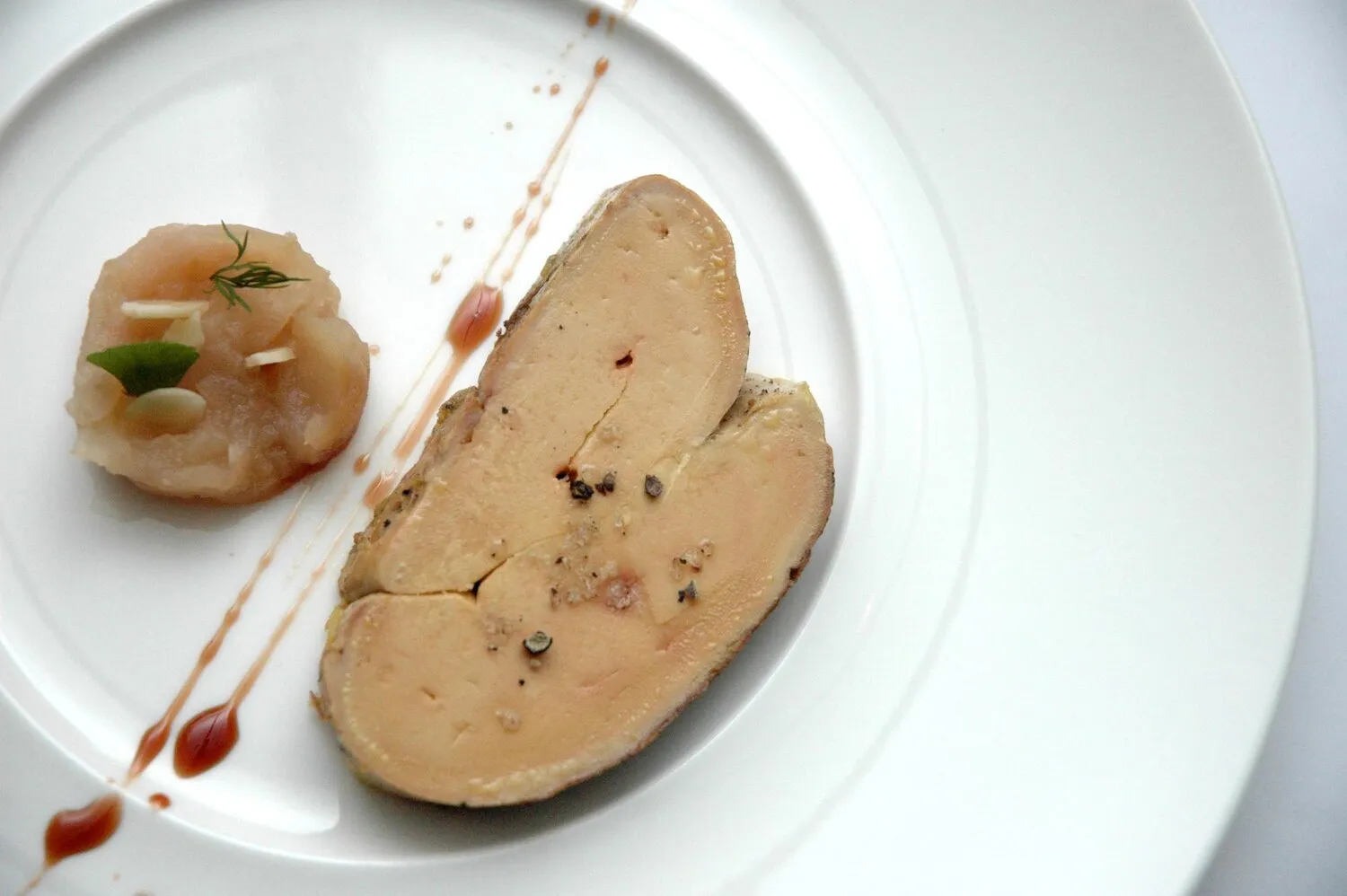

Foie Gras
Based on available online information, Le Temps des Cerises often features foie gras as part of their menu.
Información Nutricional
* El % de Valor Diario (VD) indica cuánto aporta un nutriente en una porción de alimento a una dieta diaria. Se utilizan 2,000 calorías al día para consejos generales de nutrición.
Función Premium
Función Premium
The practice of force-feeding fowl to enlarge their livers dates back to ancient Egypt, around 2500 BC. Egyptians discovered that many birds could be fattened through forced overfeeding and began this practice. The Romans adopted the custom, spreading it throughout their empire. The Gauls (present-day France) were particularly adept at raising geese and ducks, and foie gras became a local delicacy. Over time, French techniques for raising and preparing foie gras were refined, establishing its prominent position in French cuisine.
Función Premium
Foie gras is deeply ingrained in French culinary culture, often associated with luxury, celebration, and fine dining. It is considered a symbol of French gastronomy and is featured in many traditional dishes and festive meals.
Festive Occasions
Foie gras is frequently served during special occasions such as Christmas, New Year's Eve, and weddings. It is often included as part of a multi-course meal and is considered a highlight of the celebratory feast.
Gastronomic Heritage
Foie gras represents a significant part of France's culinary heritage. Traditional methods for raising and preparing foie gras have been passed down through generations, preserving the dish's authenticity and cultural significance.
Ethical Debate
The production of foie gras is subject to ongoing ethical debate due to the practice of force-feeding. This has led to bans or restrictions on foie gras production and sales in some regions around the world. The ethical concerns add a complex layer to its cultural significance.
Función Premium
Foie gras is known for its rich, buttery, and delicate flavor. It has a smooth, melt-in-your-mouth texture and a subtle sweetness.
The flavor of foie gras is intensely rich and fatty, with a distinct savory depth. It possesses a unique combination of sweetness, earthiness, and a hint of gaminess. High-quality foie gras should have a clean, pure taste without any off-flavors. The texture is incredibly smooth and almost creamy, melting easily on the tongue. The key ingredient, the enlarged liver of a duck or goose, is typically seasoned simply with salt and pepper to allow its natural flavor to shine. Often, it is paired with sweet elements, such as fruit preserves, or acidic components, like balsamic glaze, to balance its richness.
Función Premium
Serving Temperature
Foie gras is best served slightly chilled or at room temperature to allow its flavors to fully develop. Overly cold foie gras will be less flavorful and have a firmer texture.
Pairing Suggestions
Foie gras pairs well with sweet, acidic, or spicy accompaniments. Sweet wines like Sauternes, fruit preserves, fig jam, balsamic glaze, or even a sprinkle of Espelette pepper can complement its richness.
Cooking Techniques
When pan-searing foie gras, use a hot pan and cook it quickly to achieve a crispy exterior and a melt-in-your-mouth interior. Avoid overcrowding the pan, and drain any excess fat during cooking. Alternatively, foie gras can be prepared as a terrine or pâté.
Bread Choice
Serve foie gras with toasted brioche or pain d'épices (gingerbread) to provide a slightly sweet and textural contrast.
Función Premium
Explora platos y restaurantes adicionales de Classic French
Explorar Classic FrenchDescubre los mejores lugares para comer y experiencias culinarias en Namur.
Explorar NamurAprende más sobre la cultura gastronómica, la escena de restaurantes y el patrimonio culinario de Belgium.
Explorar Belgium