
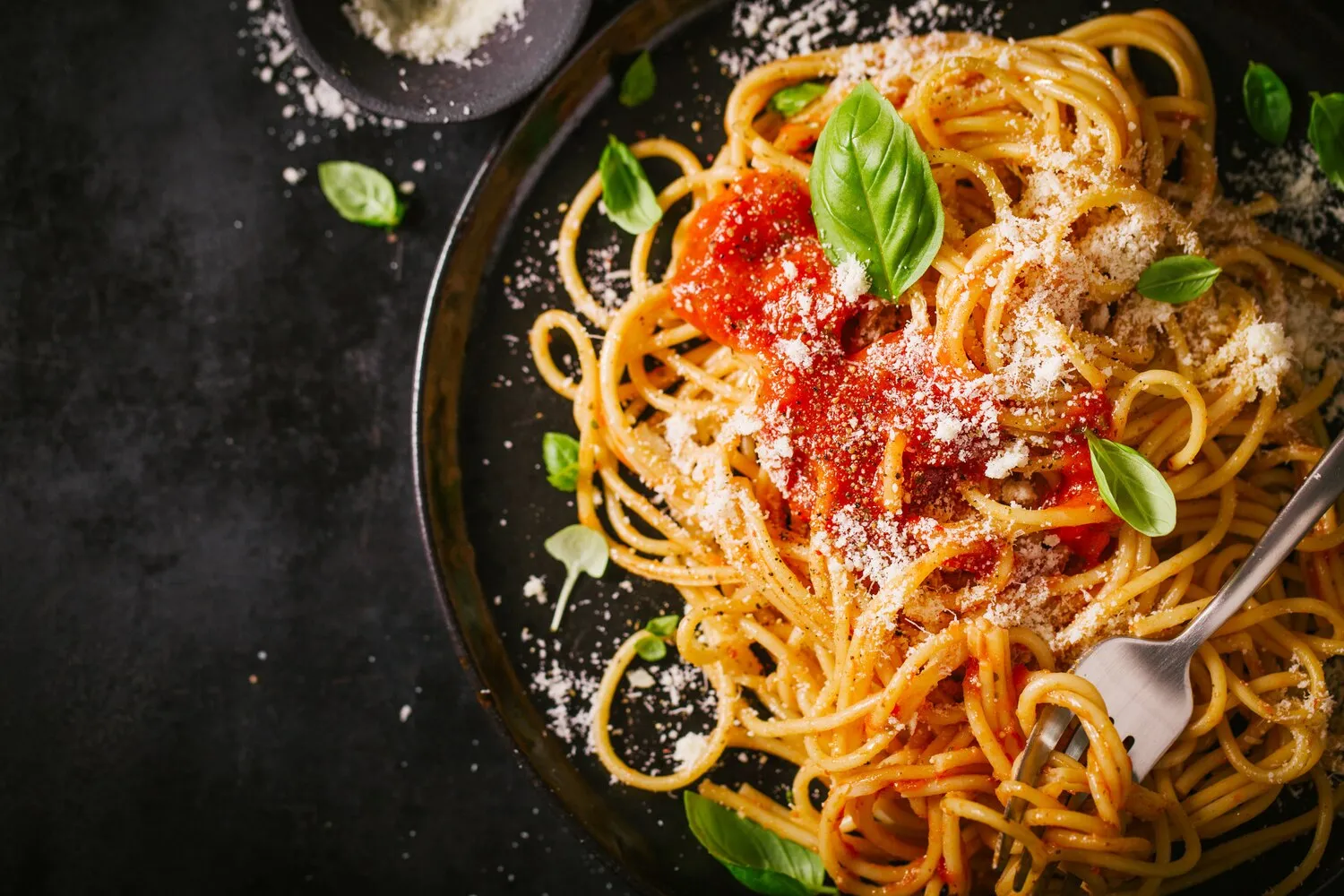

Pasta
Viva la Mamma serves a variety of pasta dishes. While a specific 'best' pasta isn't clear, pasta is a popular item.
Información Nutricional
* El % de Valor Diario (VD) indica cuánto aporta un nutriente en una porción de alimento a una dieta diaria. Se utilizan 2,000 calorías al día para consejos generales de nutrición.
Función Premium
Viva la Mamma (Viva La Mamma)
Función Premium
Pasta has a long and complex history, with its origins possibly tracing back to ancient civilizations. While the exact origins are debated, it evolved significantly in Italy, particularly during the medieval period with the adoption of durum wheat and drying techniques. The Arab influence in Sicily is also considered a key factor in the early development and spread of pasta.
Función Premium
Pasta is deeply ingrained in Italian culture, representing not only a staple food but also a symbol of family, tradition, and regional identity. It's a central element of Italian cuisine and social gatherings.
Family Meals
Pasta dishes are often the centerpiece of family meals, especially on Sundays or special occasions. Sharing a large bowl of pasta fosters a sense of togetherness and connection.
Regional Variations
Each region of Italy boasts its own unique pasta shapes and sauce recipes, reflecting the local ingredients and culinary traditions. This diversity highlights the cultural richness of Italian cuisine.
A Symbol of Italian Identity
Pasta is a global symbol of Italian cuisine and culture, recognized and enjoyed worldwide. It represents the country's culinary heritage and its ability to create simple yet flavorful dishes.
Función Premium
The flavor profile of pasta dishes is incredibly diverse, depending on the sauce, ingredients, and preparation methods. It generally relies on the quality of the pasta itself as a base, enhanced by the complementary tastes of the sauce.
Pasta's flavor is subtle and primarily derived from the wheat used to make it, usually durum wheat which gives it a slightly nutty taste and firm texture. The real flavor complexity comes from the sauce. Tomato-based sauces introduce sweetness and acidity, while cream-based sauces offer richness and a velvety texture. Garlic, herbs like basil and oregano, cheeses like Parmesan and Pecorino Romano, and meats like sausage and pancetta add depth and umami. Olive oil is a crucial component, contributing its fruity and sometimes peppery notes. The variations are endless, from spicy arrabbiata to delicate pesto.
Función Premium
Cook Pasta 'Al Dente'
Always cook pasta 'al dente,' meaning 'to the tooth.' It should be firm to the bite, not mushy. This provides a better texture and prevents the pasta from becoming overcooked when mixed with the sauce.
Use Pasta Water
Reserve some of the starchy pasta water before draining. Adding a little pasta water to the sauce helps to emulsify it, creating a smoother and more cohesive sauce that clings better to the pasta.
Sauce it Right
The sauce should complement the pasta shape. Long, thin pastas like spaghetti pair well with light, oil-based sauces, while larger, tubular pastas like penne are better suited for thicker, cream-based sauces.
Función Premium
Explora platos y restaurantes adicionales de Italian
Explorar ItalianDescubre los mejores lugares para comer y experiencias culinarias en Wien.
Explorar WienAprende más sobre la cultura gastronómica, la escena de restaurantes y el patrimonio culinario de Austria.
Explorar Austria