
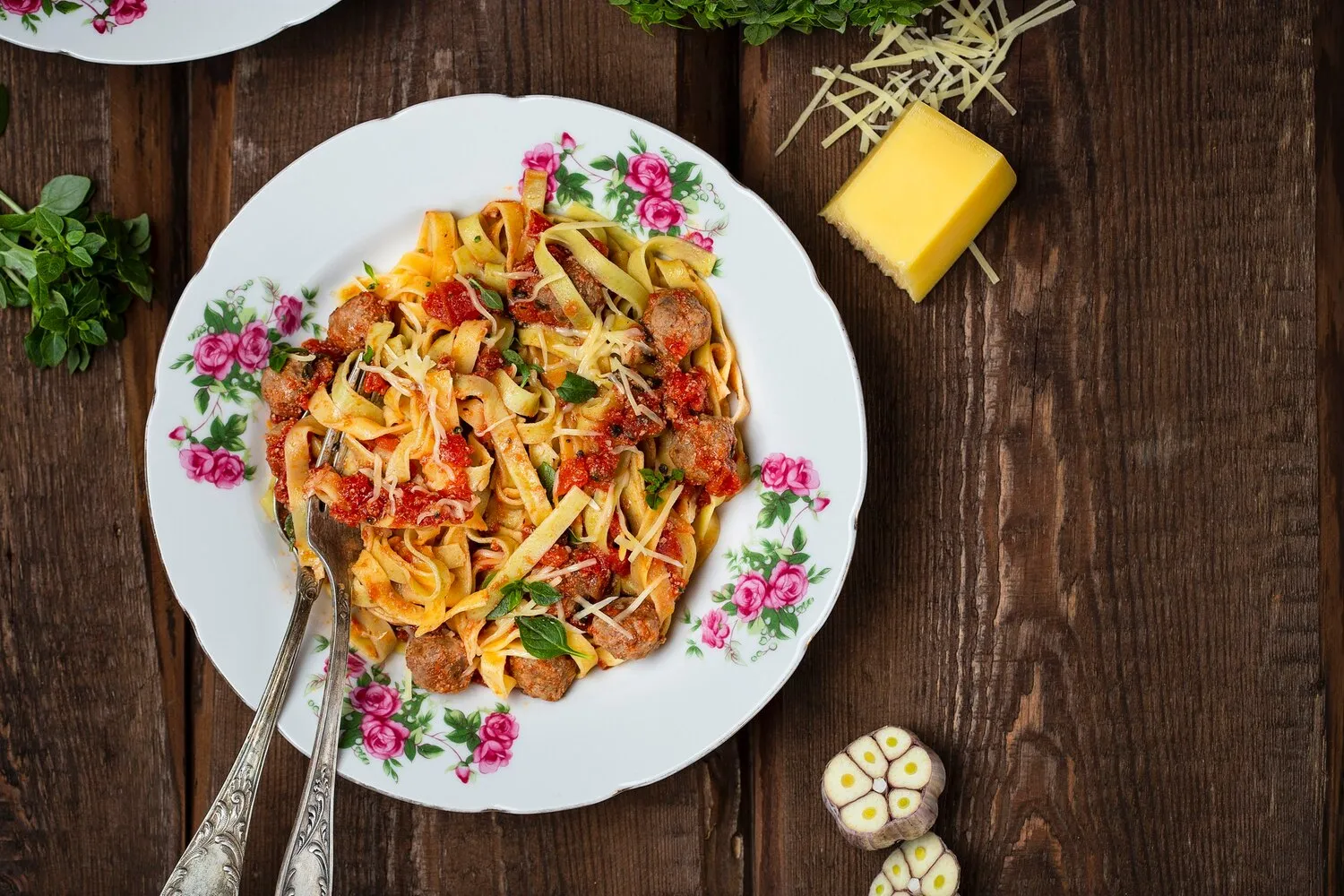

Pasta Dishes
Their pasta dishes are often highlighted for their fresh pasta and flavorful sauces, emphasizing regional Italian cuisine.
Información Nutricional
* El % de Valor Diario (VD) indica cuánto aporta un nutriente en una porción de alimento a una dieta diaria. Se utilizan 2,000 calorías al día para consejos generales de nutrición.
Función Premium
Función Premium
Pasta has a long and rich history in Italy, with evidence suggesting its existence dating back to ancient Roman times. While the exact origins are debated, pasta as we know it today evolved over centuries, influenced by Arab trade routes introducing dried noodles to Sicily and gradual advancements in wheat cultivation and milling techniques across the Italian peninsula. Different regions developed unique pasta shapes and sauces based on local ingredients and culinary traditions.
Función Premium
Pasta is deeply ingrained in Italian culture, representing a staple food, a symbol of family and togetherness, and a source of national pride. It's more than just a dish; it's a cultural experience often enjoyed during family meals and celebrations.
Family Meals
Pasta is frequently served during family meals, creating a communal and bonding experience. Recipes are often passed down through generations, preserving family traditions.
Regional Variations
Each region of Italy boasts its own unique pasta shapes and sauces, reflecting the local ingredients and culinary heritage. Exploring these regional variations offers a fascinating glimpse into the country's diverse food culture.
Celebrations and Festivals
Pasta plays a prominent role in celebrations and festivals throughout Italy. Specific pasta dishes are often associated with particular holidays or regional festivities.
Función Premium
The flavor profile of pasta dishes is incredibly diverse, depending heavily on the sauce and accompanying ingredients. From simple tomato-based sauces to rich cream sauces and pesto, the possibilities are endless. The core flavors often involve garlic, herbs, cheese (especially Parmesan and Pecorino Romano), olive oil, and tomatoes.
Italian pasta dishes showcase a wide range of flavors, from the bright acidity of tomato sauces featuring ingredients like basil and oregano, to the rich, savory flavors of meat-based sauces like ragu. Creamy sauces like Alfredo offer a decadent experience with butter, cream, and Parmesan cheese. Pesto, made with basil, pine nuts, garlic, Parmesan cheese, and olive oil, provides a fresh and herbaceous taste. Seafood pastas incorporate the briny flavors of clams, mussels, shrimp, or other seafood. The texture of the pasta itself, from smooth and delicate to firm and chewy, also contributes to the overall flavor experience.
Función Premium
Cook Al Dente
Cook pasta 'al dente,' meaning 'to the tooth.' This ensures the pasta retains a slight firmness when bitten, providing a more enjoyable texture.
Salt the Pasta Water
Salt the pasta water generously. This seasons the pasta from the inside out and enhances its overall flavor.
Reserve Pasta Water
Reserve a cup of pasta water before draining. The starchy water can be used to thicken the sauce and help it adhere to the pasta.
Pair Sauce and Shape
Choose the right pasta shape for the sauce. Long, thin pastas like spaghetti pair well with lighter sauces, while tubular pastas like penne are suitable for chunkier sauces.
Función Premium
Explora platos y restaurantes adicionales de Italian
Explorar ItalianDescubre los mejores lugares para comer y experiencias culinarias en Noosa.
Explorar NoosaAprende más sobre la cultura gastronómica, la escena de restaurantes y el patrimonio culinario de Australia.
Explorar Australia